What Most Parents (and Doctors) Are Missing
Does this sound familiar?
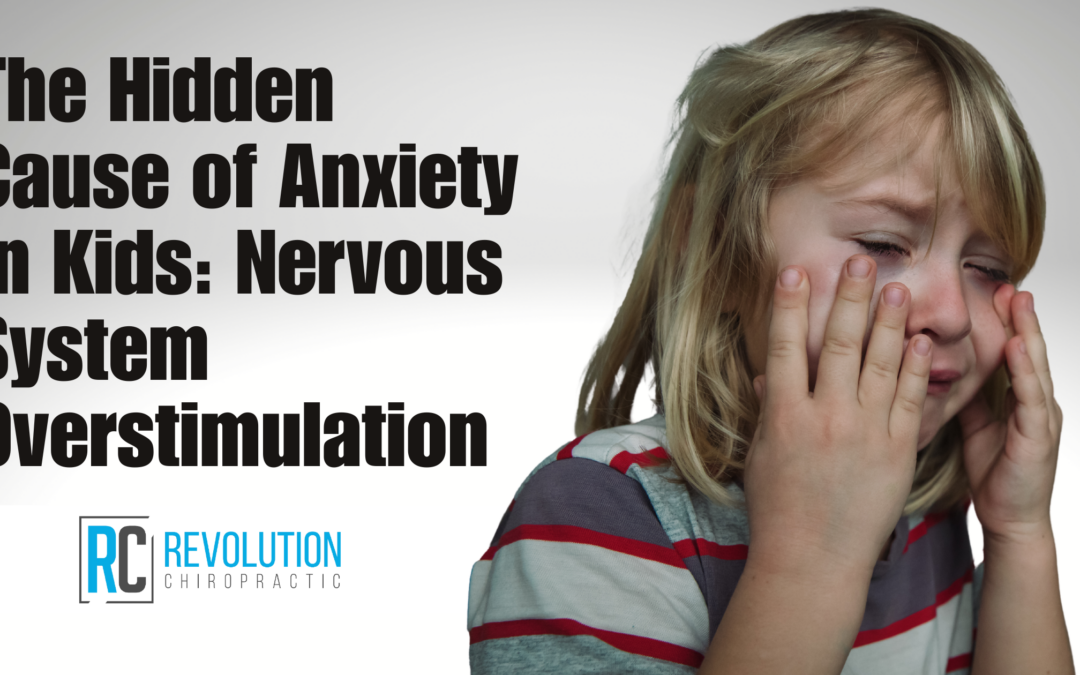
Your child covers their ears in loud places. Busy environments lead to meltdowns. Clothing tags, bright lights, or crowded classrooms feel unbearable.
Most parents are told it’s just anxiety, a phase, or “bad behavior.” But what if it’s actually something deeper? What if your child’s nervous system is overwhelmed?
The Real Root Cause: Nervous System Overload
Today’s kids are constantly bombarded with stimulation — screens, noise, fast-paced schedules, social pressure, and sensory input everywhere they go.
Over time, the brain and nervous system can become overloaded, like a traffic jam that never clears.
When this happens, kids often experience:
- Anxiety and constant worry
- Emotional meltdowns
- Trouble focusing
- Irritability and frustration
- Sleep struggles
- Sensory sensitivity
What looks like “behavior problems” is often a child’s nervous system struggling to keep up.
How the Nervous System Impacts Anxiety
Your child’s nervous system controls whether their body feels safe and calm… or stressed and reactive.
There are two primary states:
Fight-or-Flight (Sympathetic)
This is the stress state. The body becomes tense, reactive, overwhelmed, and hyper-alert.
Rest, Regulate, and Heal (Parasympathetic)
This is the calm state. Kids can focus, process emotions, sleep better, and regulate more easily. When a child gets stuck in fight-or-flight mode, their body stays on high alert — even when there’s no real danger present.
That can lead to:
- Chronic anxiety
- Emotional dysregulation
- Sensory overload
- Difficulty calming down
This isn’t something kids simply “grow out of.” It’s neurological.
The Sensory + Anxiety Connection
Many kids with sensory challenges also struggle with anxiety.
Why?
Because their brain begins interpreting normal everyday input as overwhelming or threatening.
This can look like:
- Panic in loud or crowded places
- Avoiding certain textures, sounds, or environments
- Meltdowns after school
- Emotional reactions that seem “too big”
But they’re not overreacting. Their nervous system is overloaded.
Why More Kids Are Struggling Today
We’re seeing more overstimulated and anxious kids than ever before.
Some common stressors include:
- Prenatal and birth stress
- Early illness or antibiotics
- Environmental toxins
- Chronic stress and fast-paced lifestyles
- Constant sensory stimulation from screens and technology
These stressors build over time and can make it harder for the nervous system to regulate properly.
Signs Your Child May Be Overstimulated
Physical Signs
- Headaches
- Fatigue
- Digestive issues
- Trouble sleeping
Emotional Signs
- Anxiety or nervousness
- Mood swings
- Irritability
Behavioral Signs
- Frequent meltdowns
- Trouble focusing
- Avoiding busy environments
This is not simply a discipline issue. It’s often a neurological stress response.
A Different Approach at Revolution Chiropractic
At Revolution Chiropractic in Dallas, we look beyond the behavior and focus on the nervous system underneath it all.
Using advanced INSiGHT Scans, we can measure:
- Nervous system stress
- Dysregulation patterns
- Areas of imbalance and tension
From there, neurologically-focused chiropractic care is designed to help:
- Calm the stress response
- Improve sensory processing
- Support emotional regulation
- Help the brain and body communicate more efficiently
The goal isn’t to “fix” your child.
It’s to help their nervous system function the way it was designed to.
There Is Hope
If your child struggles with anxiety, sensory overload, or emotional meltdowns…
They aren’t broken. Their nervous system is overwhelmed.
And with the right support, change is possible.
Ready to Get Answers?
If you’re in the Dallas area and want to better understand what’s really going on beneath the surface, we’d love to help.
👉 Schedule a nervous system scan at Revolution Chiropractic today and start getting to the root cause of your child’s challenges — so they can feel calmer, more confident, and more in control.