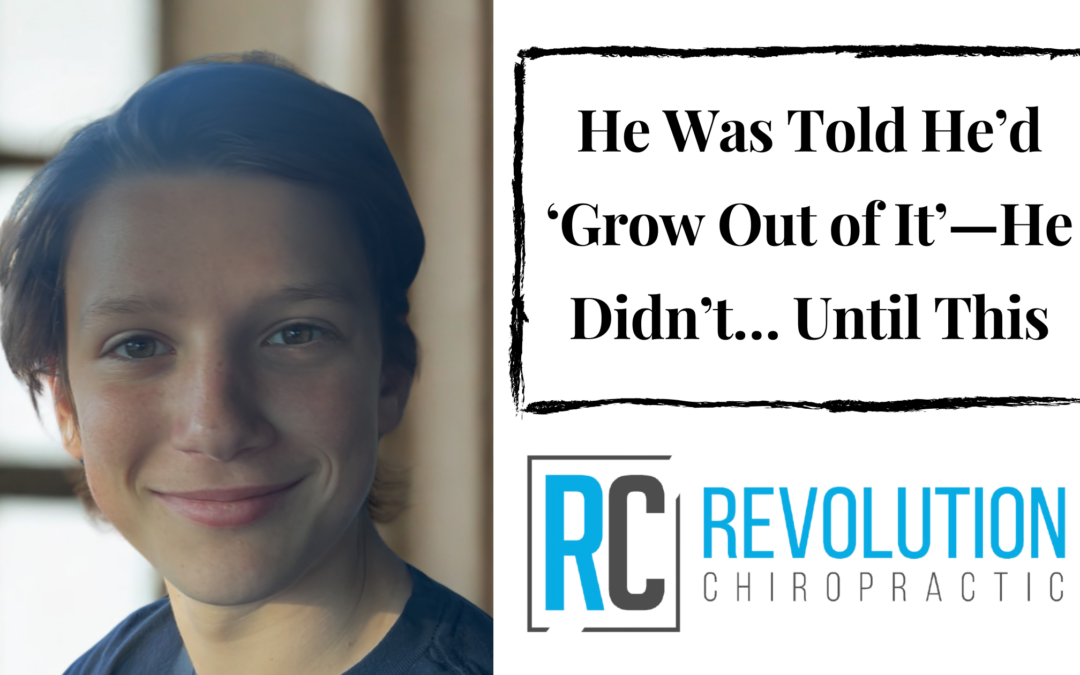
Meet Eli: More Than Just a “Sensitive Stomach”
Eli is the kind of kid you don’t forget. At just 13, he can hold a conversation with anyone—child or adult—and leave them smiling. He’s talented, driven, and curious about the world. Whether it’s violin, sprinting, pole vaulting, pickleball, art, or singing, Eli seems to thrive at everything he touches.
But behind that vibrant personality was a long-standing struggle that many families quietly deal with: chronic digestive issues.
From an early age, Eli faced ongoing gut challenges—frequent diarrhea, vomiting, reflux, and a hypersensitive gag reflex. His family did everything they were told to do. They sought answers, saw specialists, and even worked with a pediatric gastroenterologist.
The message they received?
“He’ll grow out of it.”
But he didn’t.
Chronic Digestive Issues in Kids: More Common Than You Think
Eli’s story isn’t unique.
Many children today struggle with:
- Persistent diarrhea or constipation
- Acid reflux
- Food sensitivities (like gluten or dairy)
- Frequent stomach aches
- Weak immune function
Often, families are told these issues are “normal,” temporary, or something kids will outgrow. But ongoing digestive problems are usually a sign that something deeper is going on—especially within the nervous system.
The Gut-Brain Connection: Why the Nervous System Matters
Your child’s digestive system doesn’t operate on its own—it’s controlled and regulated by the nervous system.
When the nervous system is stressed or dysregulated, it can impact:
- Gut motility (how food moves through the system)
- Enzyme production
- Nutrient absorption
- Immune responses in the gut
This is often referred to as the gut-brain connection—and it’s a key reason why some kids continue to struggle despite diet changes or medications.
How Pediatric Chiropractic Supports Gut Health
Neurologically focused pediatric chiropractic care works to improve how the nervous system functions and communicates with the body—including the digestive system.
At Revolution Chiropractic, care focuses on:
- Reducing stress on the nervous system
- Supporting proper communication between the brain and gut
- Improving overall regulation and adaptability
Rather than chasing symptoms, this approach addresses the root cause—helping the body function the way it was designed to.
Eli’s Turning Point
Eli actually began chiropractic care because of his dad’s severe neck issues. What his family didn’t realize at the time was just how much it would impact Eli’s health.
Even after eliminating gluten and dairy for nearly a decade, Eli still struggled with digestive challenges.
But after beginning consistent care at Revolution Chiropractic, things began to change.
Over time:
- His digestive issues significantly decreased
- His immune system became stronger
- Flare-ups became rare instead of frequent
Today, Eli rarely deals with the gut issues that once affected his daily life.
Beyond Digestion: The Confidence of a Regulated Nervous System
The benefits didn’t stop at gut health.
Eli’s parents have watched him grow into an incredibly resilient, focused, and emotionally mature young man. While he already had a strong personality, they credit much of his continued growth and stability to a well-regulated nervous system.
As Eli enters his teenage years—a time when the brain and body are rapidly developing—his family remains committed to care to support optimal neurological function.
Why Early Nervous System Support Matters (Especially in Teens)
The teenage years bring rapid changes:
- Brain development accelerates
- Hormones fluctuate
- Stress levels often increase
A well-functioning nervous system during this stage can support:
- Better focus and academic performance
- Emotional regulation
- Stronger immune health
- Improved digestion and energy levels
That’s why proactive, neurologically focused care can make such a significant difference—not just now, but long-term.
A Family’s Perspective
Eli’s experience has had such a powerful impact that it’s shaped how he sees his future:
“I want my first job to be working at Revolution Chiropractic.” – Eli
Could Your Child Benefit from Pediatric Chiropractic Care?
If your child is experiencing:
- Chronic digestive issues
- Food sensitivities
- Frequent illness
- Mood or focus challenges
…it may be worth looking beyond symptoms and exploring nervous system function.
Ready to Take the Next Step?
At Revolution Chiropractic, we specialize in neurologically focused care for kids and families—helping children like Eli thrive from the inside out.
If you’re in the Dallas area and looking for natural, effective support for your child’s health, we’d love to help.
Schedule a consultation today and discover what’s possible for your child’s health and future.
References
- Mayer, E. A. (2011). Gut feelings: The emerging biology of gut–brain communication. Nature Reviews Neuroscience, 12(8), 453–466.
https://doi.org/10.1038/nrn3071 - Carabotti, M., Scirocco, A., Maselli, M. A., & Severi, C. (2015). The gut-brain axis: Interactions between enteric microbiota, central and enteric nervous systems. Annals of Gastroenterology, 28(2), 203–209.
- Cryan, J. F., & Dinan, T. G. (2012). Mind-altering microorganisms: The impact of the gut microbiota on brain and behavior. Nature Reviews Neuroscience, 13(10), 701–712.
https://doi.org/10.1038/nrn3346 - Hyams, J. S., Di Lorenzo, C., Saps, M., et al. (2016). Functional disorders: Children and adolescents. Gastroenterology, 150(6), 1456–1468.
https://doi.org/10.1053/j.gastro.2016.02.015 - Tabbers, M. M., DiLorenzo, C., Berger, M. Y., et al. (2014). Evaluation and treatment of functional constipation in infants and children. Journal of Pediatric Gastroenterology and Nutrition, 58(2), 258–274.
https://doi.org/10.1097/MPG.0000000000000266 - National Institute of Diabetes and Digestive and Kidney Diseases (NIDDK). (2023). Digestive diseases in children.
https://www.niddk.nih.gov/health-information/digestive-diseases - Centers for Disease Control and Prevention (CDC). (2022). Children’s health and chronic conditions.
https://www.cdc.gov - American Academy of Pediatrics. (2020). The gut microbiome and child health.
https://www.aap.org - Bussières, A. E., Stewart, G., Al-Zoubi, F., et al. (2018). Spinal manipulative therapy and other conservative treatments for low back pain: A guideline. Journal of Manipulative and Physiological Therapeutics, 41(4), 265–293.
(Included for general chiropractic safety and practice context) - World Health Organization. (2005). WHO guidelines on basic training and safety in chiropractic.
https://www.who.int
This article is for informational purposes only and is not intended to diagnose or treat medical conditions. Individual results may vary. Always consult with your healthcare provider regarding any medical concerns.