
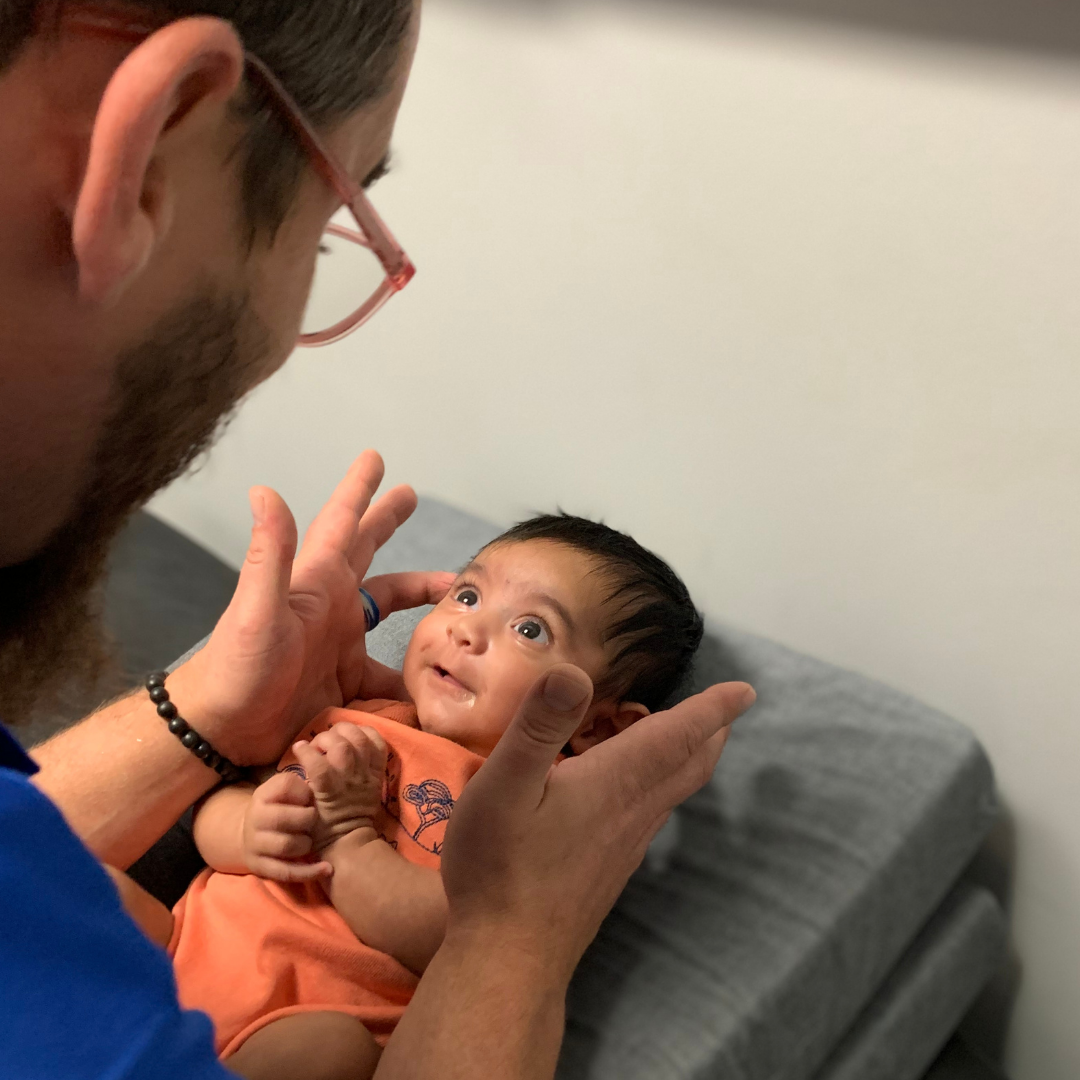
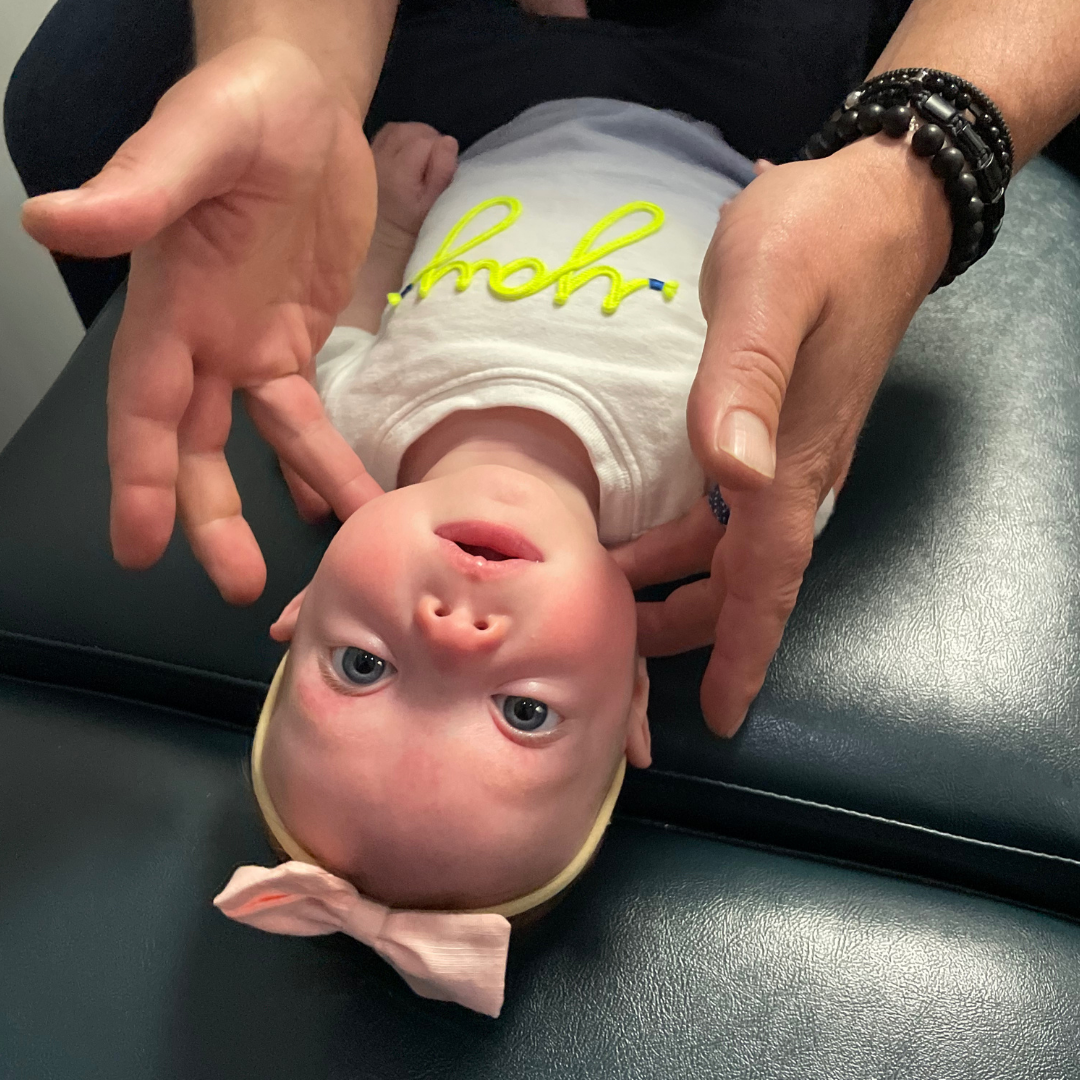
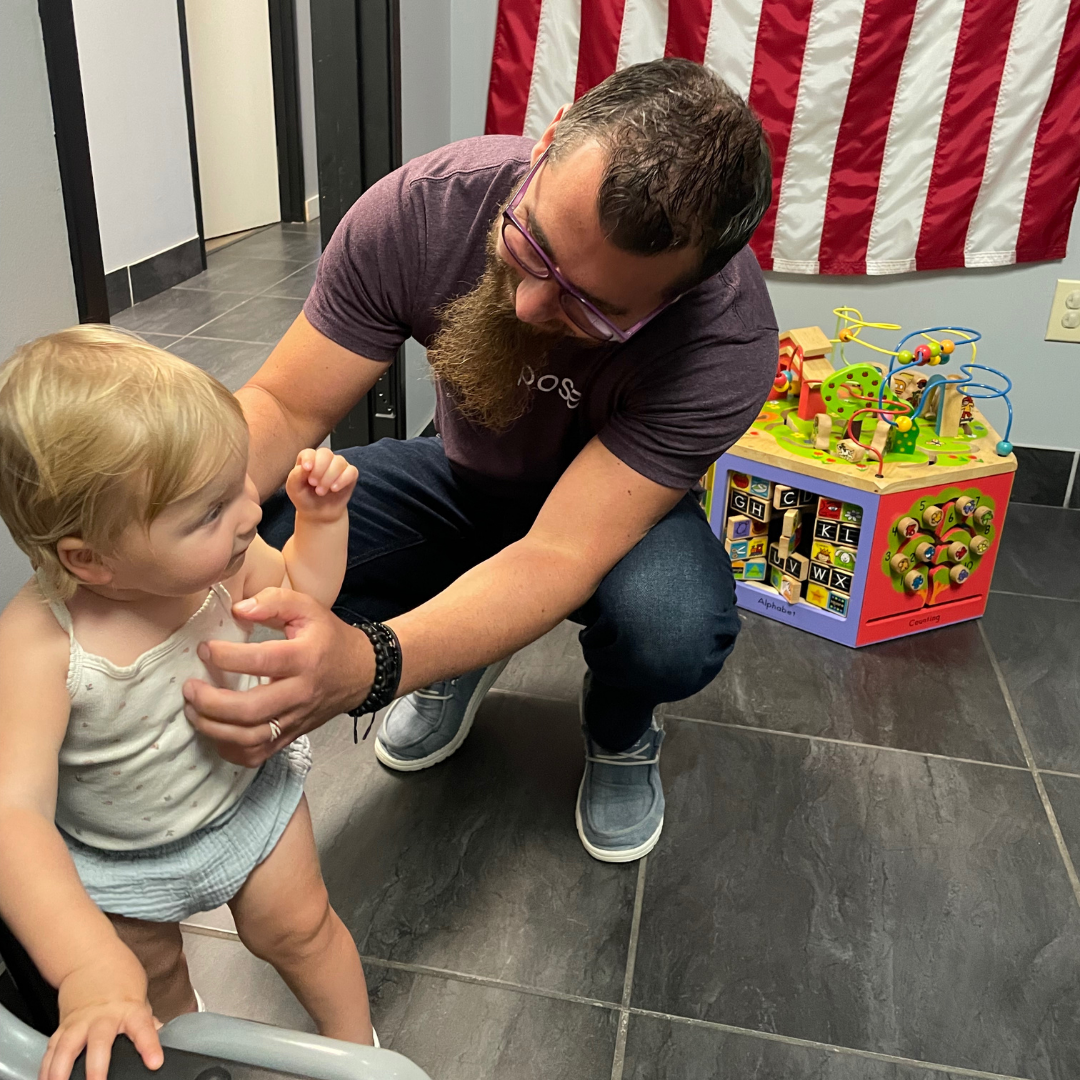
Pediatric and Baby Chiropractic Care
Parents! We can all agree that our child’s health is so very important. What if we told you that your child’s nervous system is what determines his or her health – and that nervous system is housed in their spine…Would that inspire you to get his or her nervous system assessed?
Even during a natural, healthy delivery, the birthing process is traumatic for mom and baby (check out this video where Dr. Jason explains how trauma can occur, even with a perfect delivery). It is important to get your child’s nervous system assessed as early as we can after they are born! And then, it is important to track them through developmental and growth periods to help prevent long-term neuromuscular constraints and degeneration.
In our office, we love our children (and their parents and grandparents!) and we love to help parents raise healthy kids.
We know kids get a head start on living healthy when seeing a chiropractor with pediatric, neuro-tonal experience. Healthy children grow into healthy adults.
Frequently Asked Questions
Is chiropractic care for pediatrics safe and important?
Many parents choose pediatric chiropractic care as part of a natural, proactive approach to supporting their child’s health and development. From pregnancy through birth and early childhood, babies experience physical and environmental stress that can affect how their growing nervous system adapts and functions.
The birth process itself — even in smooth deliveries — can place mechanical stress on a baby’s spine and neck. As babies grow, additional stressors like learning to sit, crawl, walk, and even digestive or sleep challenges can add tension to their developing bodies.
Pediatric chiropractic care focuses on gentle, age-appropriate adjustments designed to support healthy nervous system function. The nervous system helps coordinate digestion, sleep patterns, immune responses, movement, and overall development. When spinal tension or imbalance is present, it may affect how efficiently the body adapts to everyday stress.
Many families seek pediatric chiropractic care to support concerns such as:
- Sleep challenges
- Feeding or latching difficulties
- Digestive discomfort and colic
- Tension or stiffness in the neck and body
- General wellness and healthy development
A pediatric and neuro-focused chiropractor uses very gentle techniques tailored specifically for infants, toddlers, and children. The goal is not to “treat” specific diseases, but to support better nervous system balance so a child’s body can function, grow, and develop as naturally as possible.
Having your baby or child checked by a qualified pediatric chiropractor can be a supportive step for families who value a natural, nervous system-centered approach to health and wellness.
Is pediatric chiropractic care safe for infants?
Yes, very safe. Especially if performed by a pediatric and perinatal chiropractor. Infant chiropractic care uses very light pressure — often no more than the amount you’d use to test the ripeness of a tomato. These gentle adjustments are tailored to a baby’s delicate spine and nervous system. Parents often seek infant chiropractic care to support challenges such as colic, reflux, feeding difficulties, tension from birth, and sleep disturbances.
Why should I get my baby adjusted by a chiropractor?
Birth can be physically stressful for a baby’s spine and nervous system, even during smooth deliveries. Gentle chiropractic adjustments for babies may help relieve tension in the neck, and spine support better nervous system communication, and promote healthy digestion, sleep, and comfort. Many families use chiropractic care as a natural way to support their baby’s development and overall well-being.
Can chiropractic adjustments help with my baby’s colic?
Many parents seek pediatric chiropractic care when their baby is experiencing colic. While chiropractors do not treat colic directly, gentle spinal adjustments may help reduce nervous system stress and tension that can affect digestion and comfort. By improving nervous system function, chiropractic care may support a baby’s ability to settle, feed more comfortably, and sleep better.